
The Château That Ended Up in a Novel — Flying Over Ratibořice
Some places carry so much history that you can almost feel it through the drone controller. Ratibořice is one of those places. I've flown over a lot of beautiful spots, but there's something about this one that's different. It's quiet. It's green. And it's been frozen in time in a way that doesn't feel staged — it just is that way. Let me tell you about it.
What Is This Place?
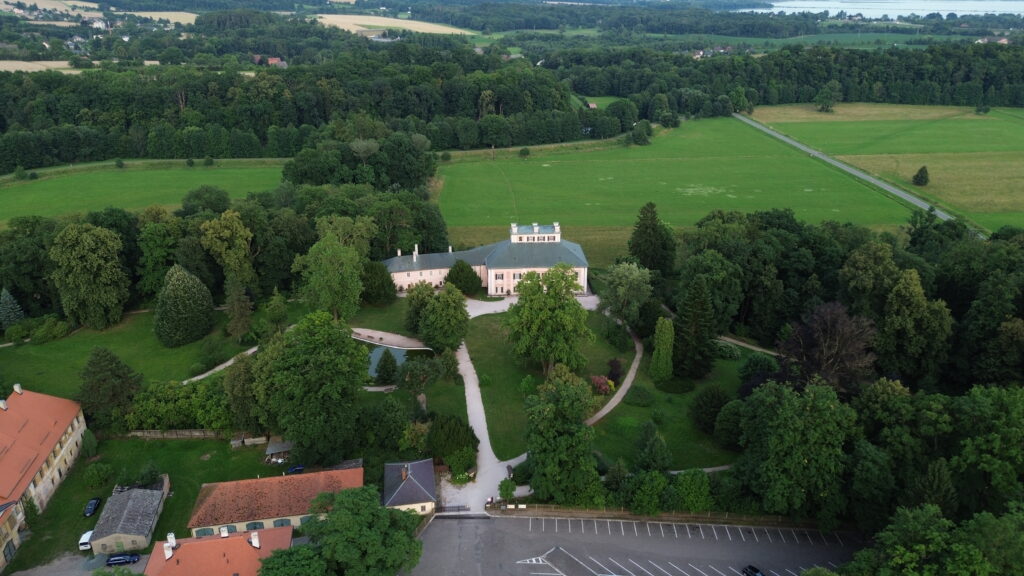
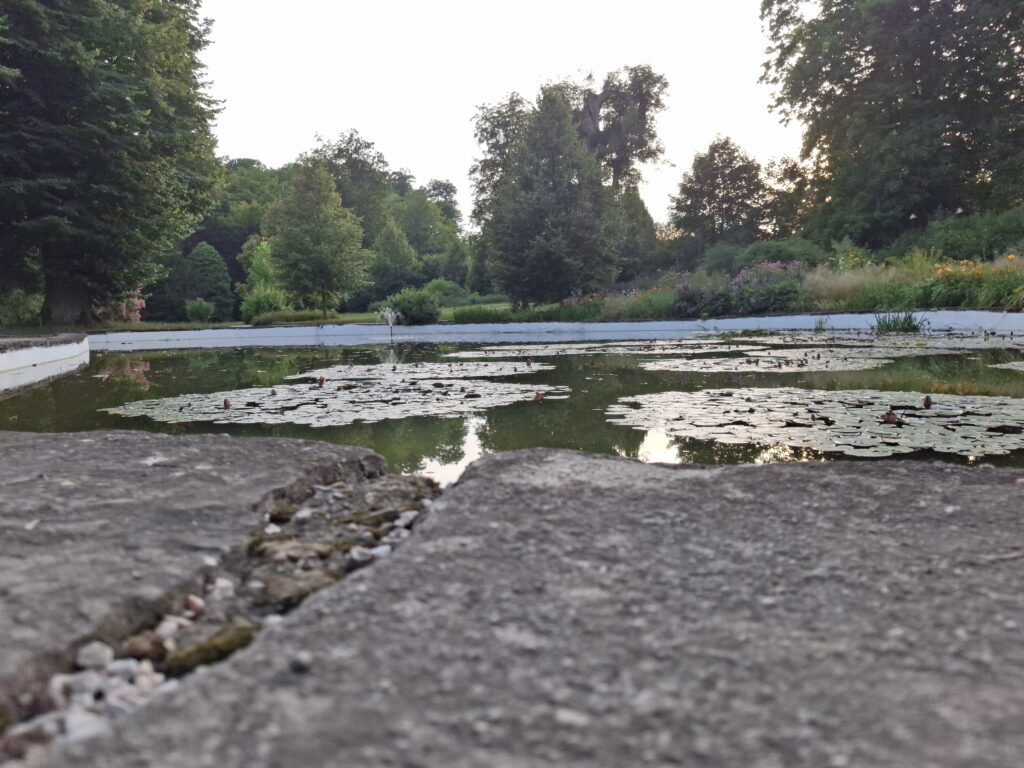
Ratibořice Château is a chateau in Ratibořice village — part of Česká Skalice — in the Hradec Králové Region of the Czech Republic. It sits in a bend of the Úpa River, surrounded by parkland, meadows, and a valley so picturesque it eventually got its own name. That valley is called Babiččino údolí — Grandmother's Valley. And yes, that name is tied to one of the most famous pieces of Czech literature ever written. More on that in a second.
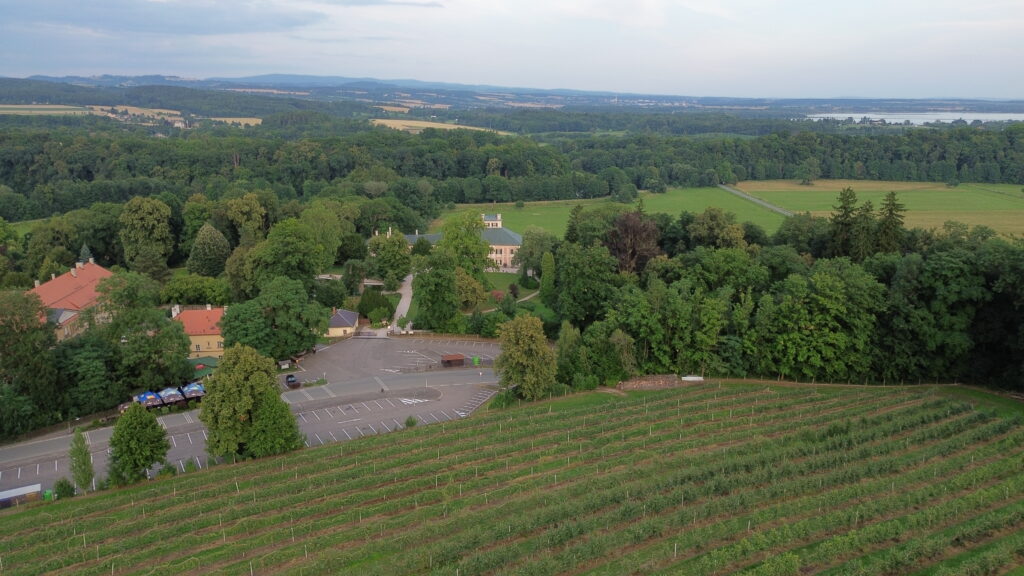
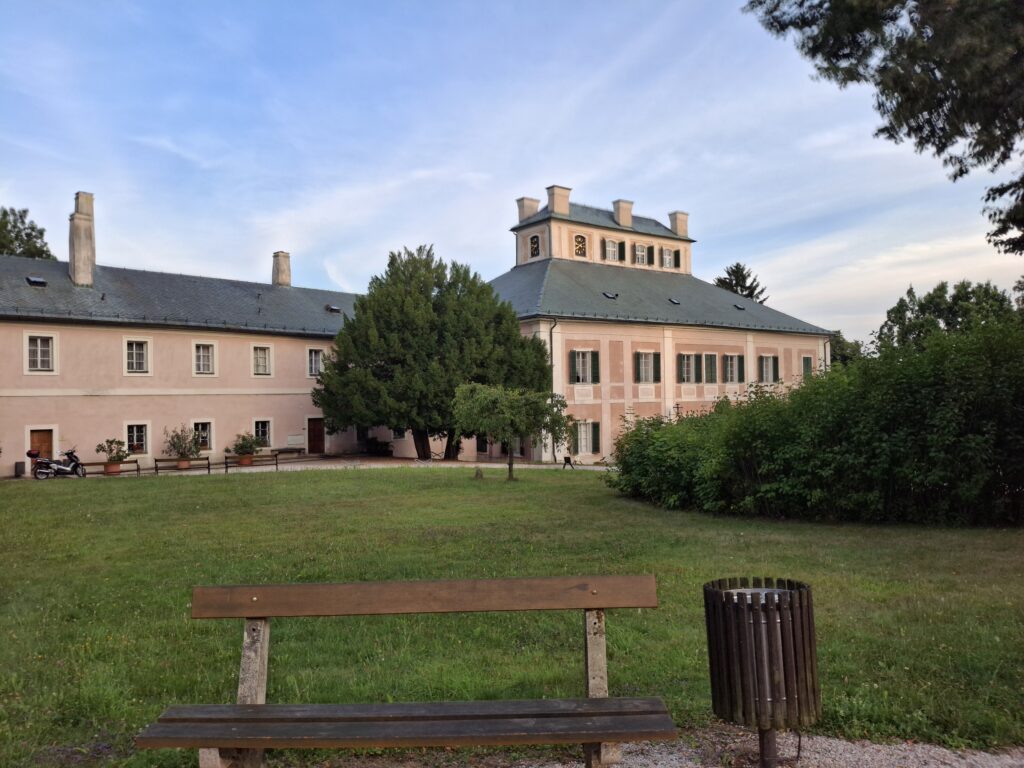
From the air, the château is compact and elegant. It's not a towering medieval fortress — it's a summer palace, Empire-style, white-walled and neat, sitting within a landscape that does most of the work. The river curves, the trees group together in that natural-but-also-designed way that 19th century landscaped parks always have, and the whole thing just... breathes.
A Quick History
The first written record of the manor and village of Ratibořice dates back to 1388. The estate changed hands multiple times over the centuries — through Bohemian noble families, Italian nobles, and eventually a Duke from Courland (modern-day Latvia, more or less).
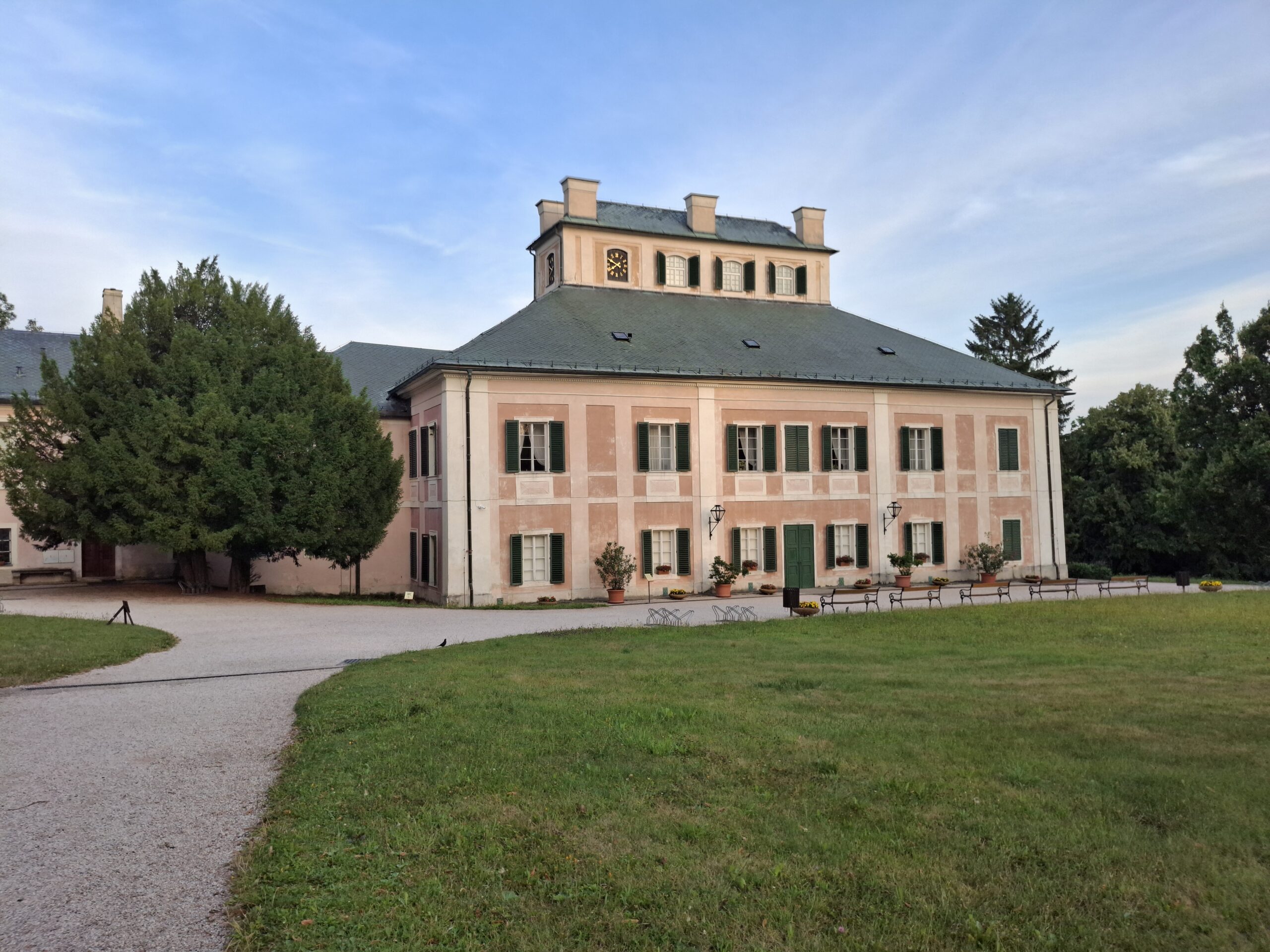
In the years 1702 to 1708, the then-owner Lorenzo Piccolomini had a Baroque summer palace built at Ratibořice, intended for summer stays and the hunting season. The small château was built in the style of Italian country villas — with a hipped roof and an unusual roof structure with six chimneys.
Then came the person who really put Ratibořice on the map: Duchess Kateřina Frederika Wilhelmina Benigna, Princess of Courland, who made Ratibořice her permanent summer residence. In 1825–1826, she had the château restored in classicist and Empire style, and a natural landscape park was established across the whole valley of the Úpa River.
The negotiations in 1813 that resulted in an anti-Napoleonic coalition between Prussia, Austria and Russia were held here, at Ratibořice Castle. That's not a small detail — decisions made inside that building changed the course of European history.
After the death of the Princess of Courland in 1839, the domain passed through several owners before the state took over in 1945. Today it's managed as a state monument and open to visitors.
3 Things About Ratibořice That Might Surprise You
- The château is literally on Czech banknotes — sort of.
Božena Němcová's image is featured on the 500 CZK denomination of the Czech koruna. She spent her childhood at Ratibořice, and the place shaped her most famous work. So next time you pull out a 500 crown note, you're looking at the face of the person whose childhood home you can visit.
- The duchess who lived here may have been the secret grandmother of Czech literature.
This one gets a little wild. Because of Němcová's unknown origin and the favour shown to her by the duchess, several historians believe that Němcová could have been an illegitimate daughter of Wilhelmine — or her niece. There's no definitive proof either way, but the theory has never gone away. A girl who grew up on the estate of a powerful, mysterious duchess, and then turned her into a beloved character in a novel? There's a story within the story here.
- The valley is a real place that inspired a fictional one — and they look almost identical.
The place maintains such an authentic look that visitors feel like they're back in the 1820s. The mill still stands. The cottage known as Staré Bělidlo — the Old Bleaching Ground — is a half-timbered cottage dating from 1797 and serves as the main setting for the novel Babička by Božena Němcová. You're not walking through a reconstruction. You're walking through the actual place that inspired one of the most beloved books in Czech history.
The Novel Connection (Because You Need to Know This)
If you're not Czech, you might not have heard of Babička — but every person who grew up here has. Babička (The Grandmother), published in 1855, is Němcová's best-known novel, about a young girl named Barunka and her childhood with her grandmother in the countryside. The book was inspired by Němcová's own childhood in the village of Ratibořice, where she lived with her parents and her maternal grandmother.
The duchess who owned the château — Wilhelmine — appears in the novel too. Němcová portrayed Wilhelmine as an ideal woman, and the portrait is so touching that the Czech phrase "paní kněžna" — meaning "the princess" — became a synonym for Wilhelmine herself.
Practical informations:
Where it is: Ratibořice is a village within Česká Skalice, in the Hradec Králové Region of East Bohemia. If you're coming from Prague, it's roughly a two-hour drive northeast. The nearby town of Náchod is a handy base if you want to spend more than a day in the area. (view the map at the end of this article)
When to go: Spring and early autumn are ideal — the valley is lush, the light is good, and the crowds are manageable. Summer is peak season. The château is open in July and August Tuesday through Sunday from 9am to 5pm, and Monday from 10am to 4pm; in May, June, and September Tuesday through Sunday from 10am to 4pm; and in April and October on weekends from 10am to 3pm.
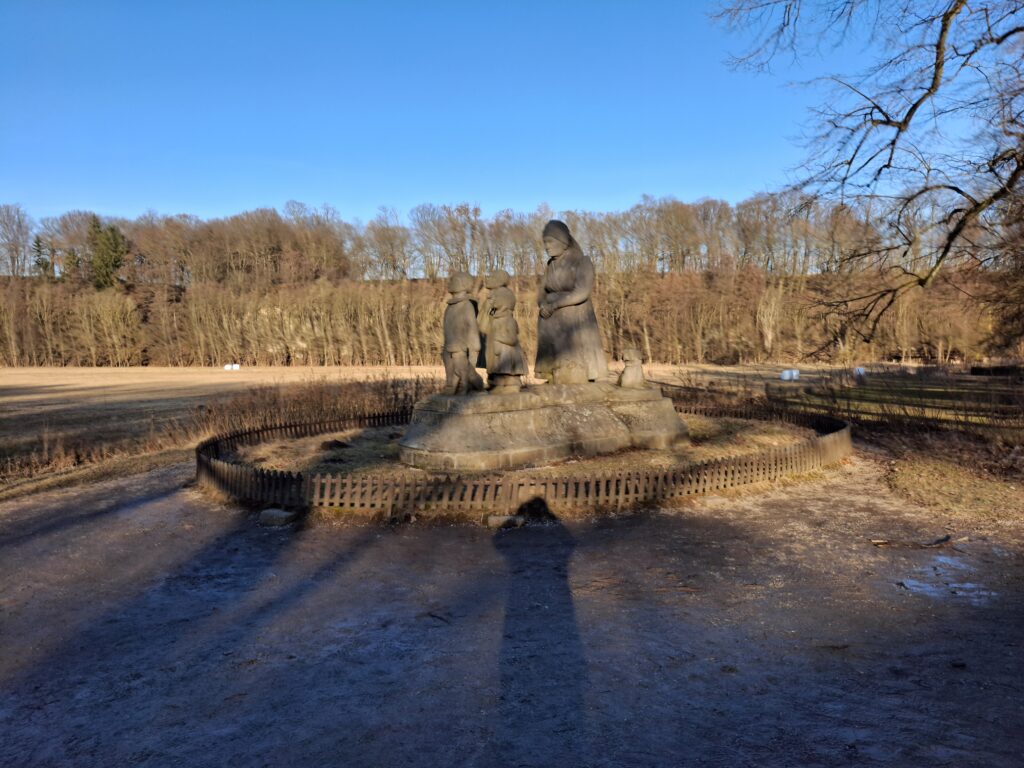
What to see beyond the château: Don't just visit the château and leave. The real magic of this place is the valley itself. Walk down to the Rudr Mill, find the Staré Bělidlo cottage, and look for the sandstone statue of the Grandmother and her grandchildren near the mill. The whole circuit takes a couple of hours and it's worth every step.
Tips: Parking costs around 50 CZK for 24 hours. Guided tours are available inside the château — the interiors include Neo-Classical, Empire, and Biedermeier salons that genuinely feel like stepping back into the 1800s. Admission runs 100–120 CZK for adults and 70–90 CZK for reduced tickets. I recommend checking the current information, sources are listed at the end of the article.
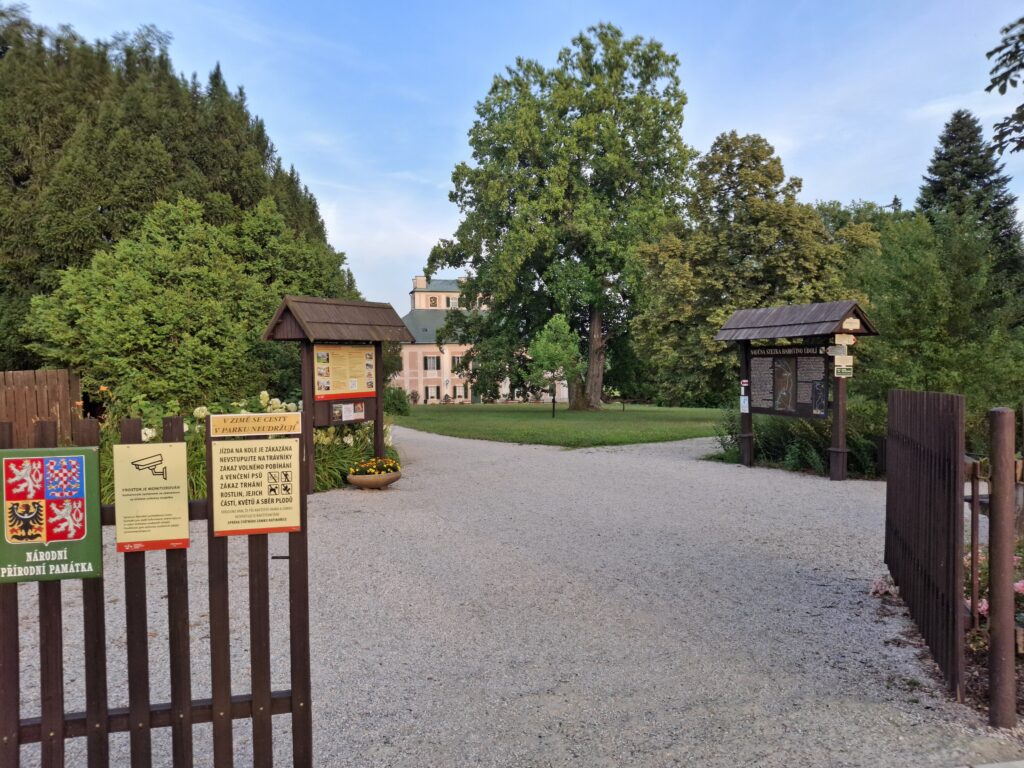
One more thing: The valley is protected landscape, so be mindful and check local rules if you're planning to fly. The setting more than rewards the effort of doing things properly.
Ratibořice is one of those locations where the history, the landscape, and the story all layer on top of each other in a way that makes the footage mean something. From above, it's just a beautiful château in a green valley. But once you know what happened there — the diplomacy, the literature, the childhood of a girl who would end up on a banknote — it becomes something else entirely.
That's the kind of place worth getting into the air for.
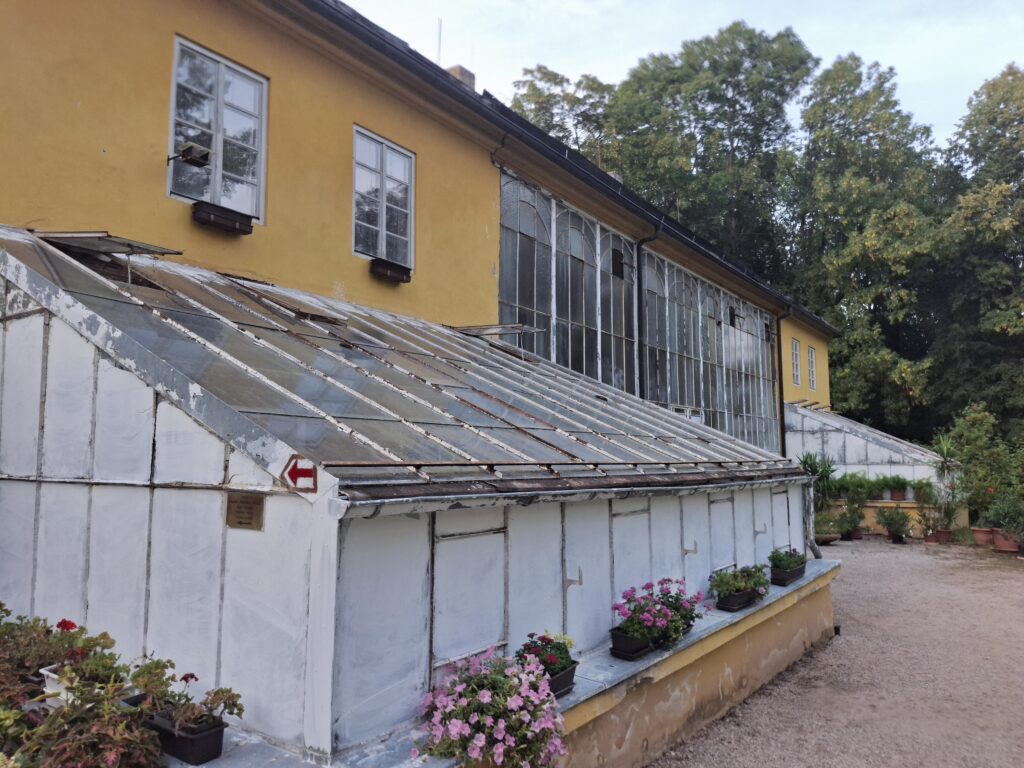
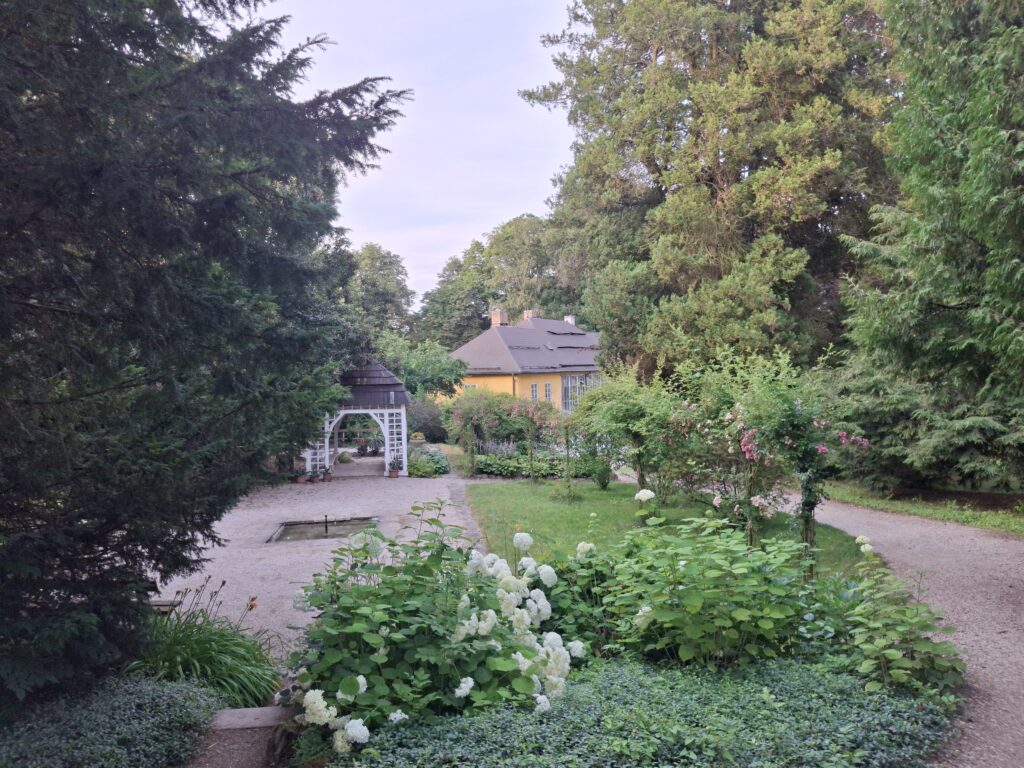
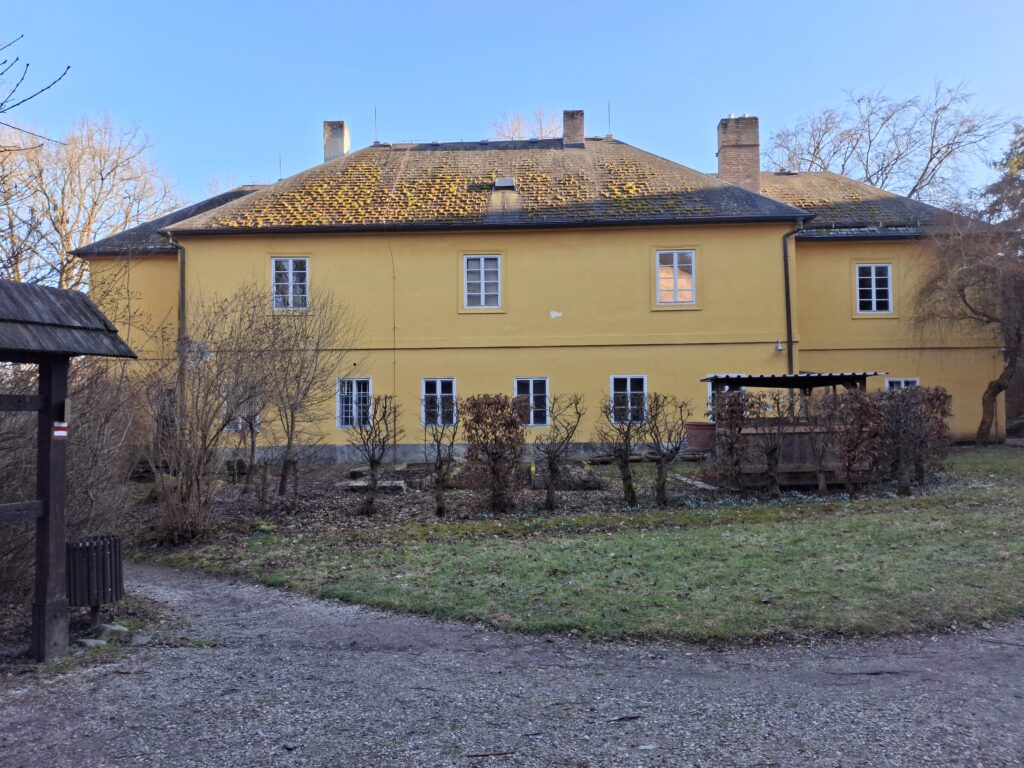
And a few more shots at the end 🙂
Sources
- Ratibořice Castle — Wikipedia
- Zámek Ratibořice — oficiální web (historie)
- Zámek Ratibořice — oficiální web (prohlídky a návštěvnické informace)
- Princess Wilhelmine, Duchess of Sagan — Wikipedia
- Božena Němcová — Wikipedia
- Babiččino údolí — Czechology
- Zámek Ratibořice — Le Petit Futé (otevírací doba a vstupné)
- Ratiborice State Castle — TripAdvisor (parkování)
Thank you for reading